
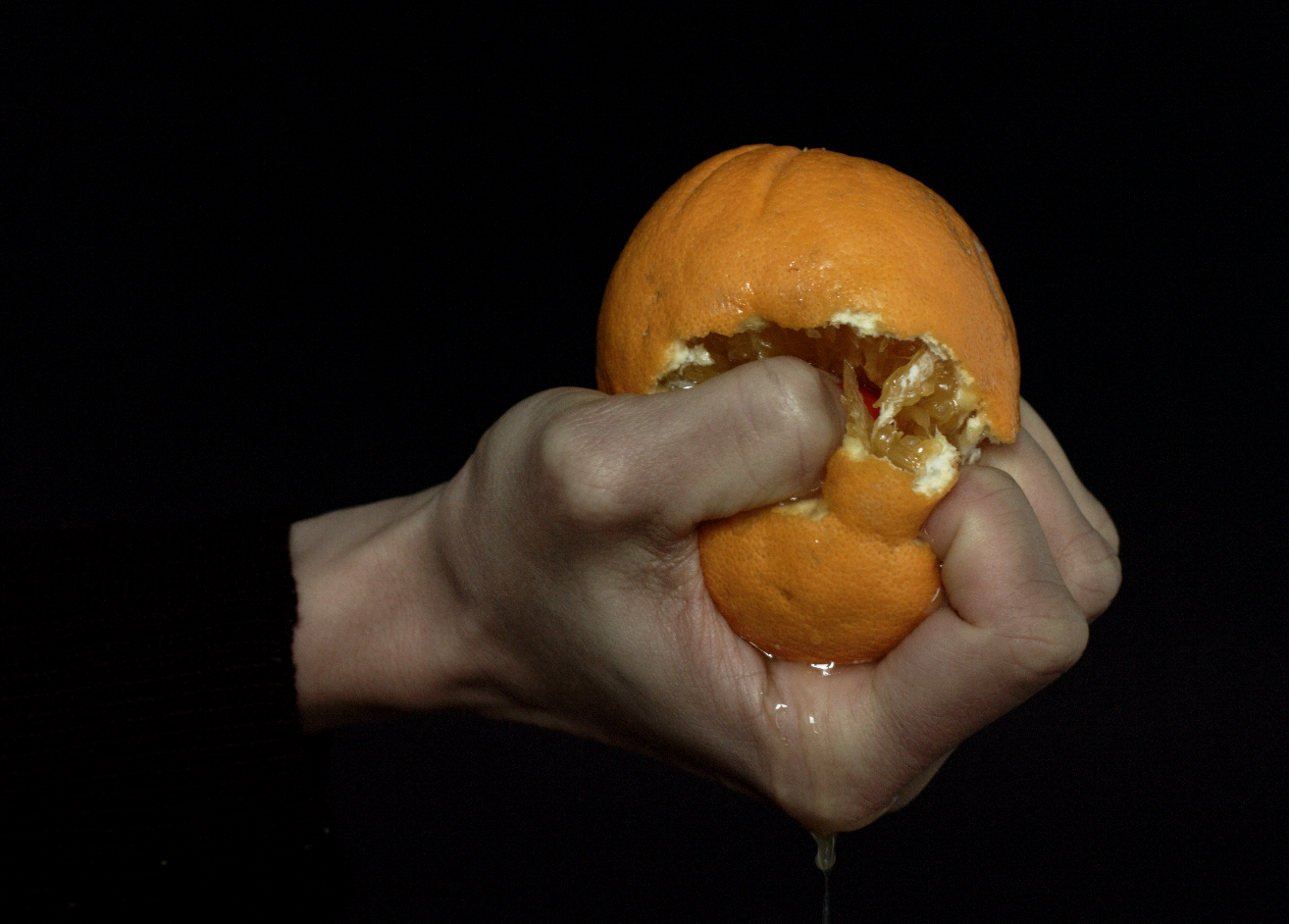
The project “From an orange point of view” is a participatory visual installation that has as its theme the depersonalization of women throughout history, and how we can heal from this transgenerational trauma by being aware of and accepting the context that brought us here, and by recreating our identity without the known toxic behavioral patterns.
The aim of the project is to contribute to a society in which individuals can identify the stereotypes and patterns of behavior learned from previous generations that no longer serve the present context, either individually or collectively, and seek a way to build their identity in an assumed and conscious way.
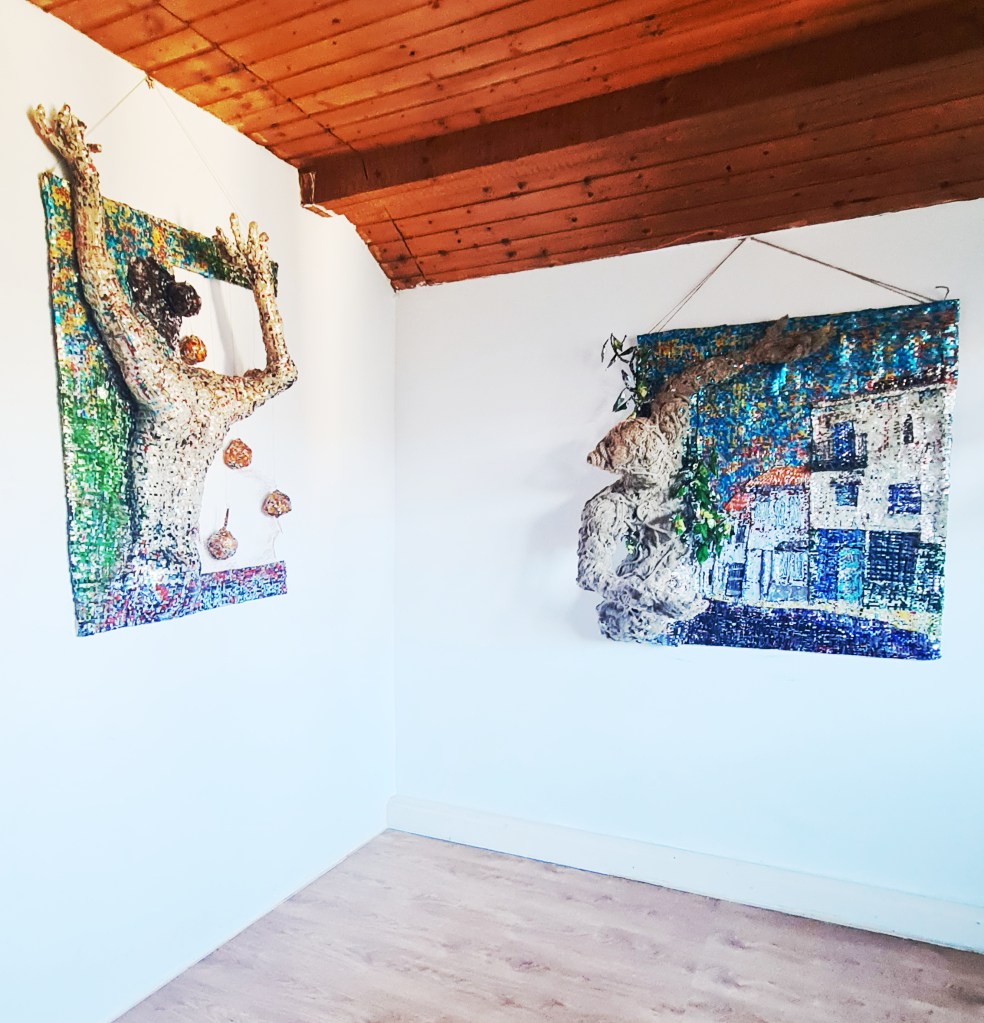
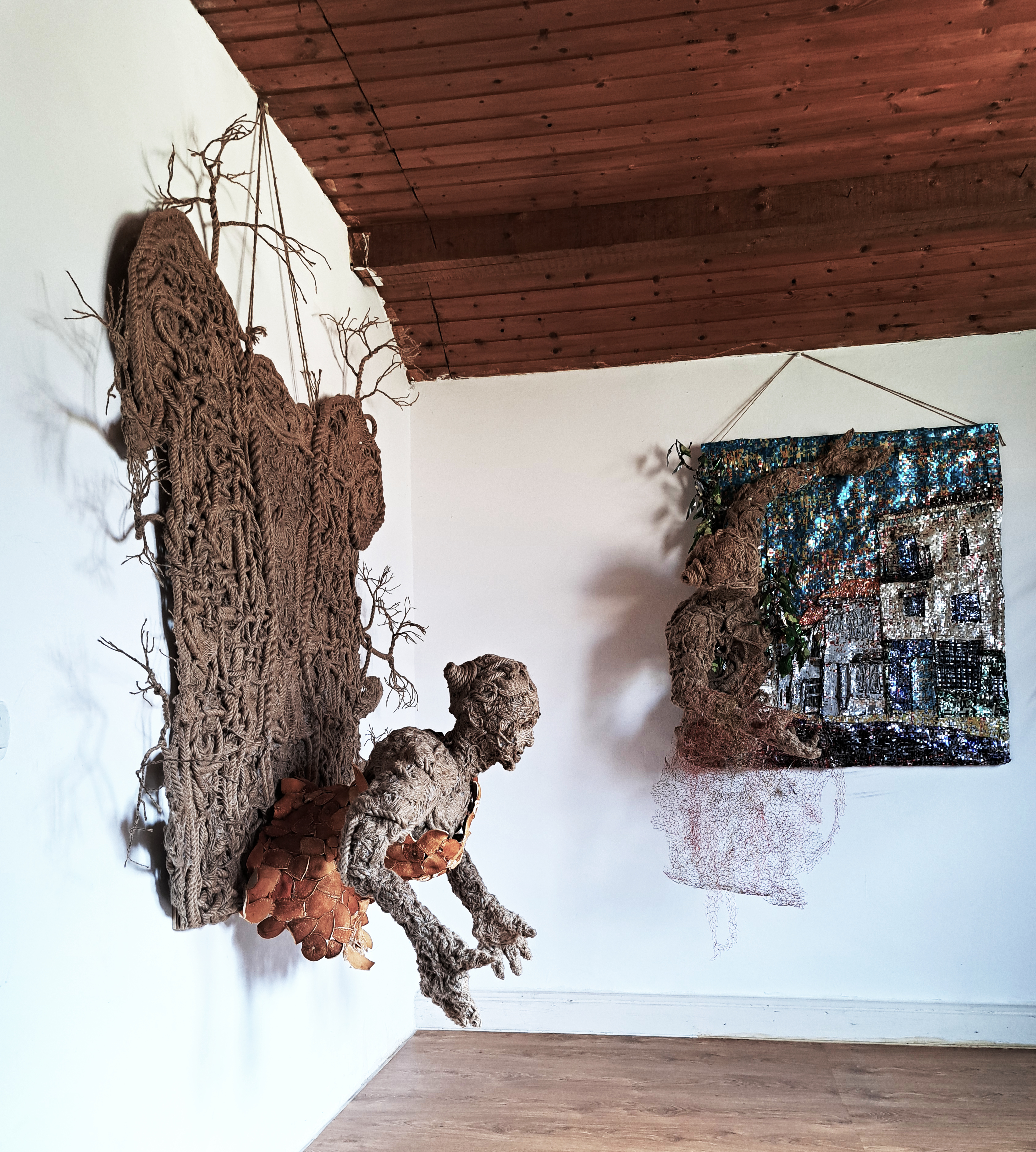
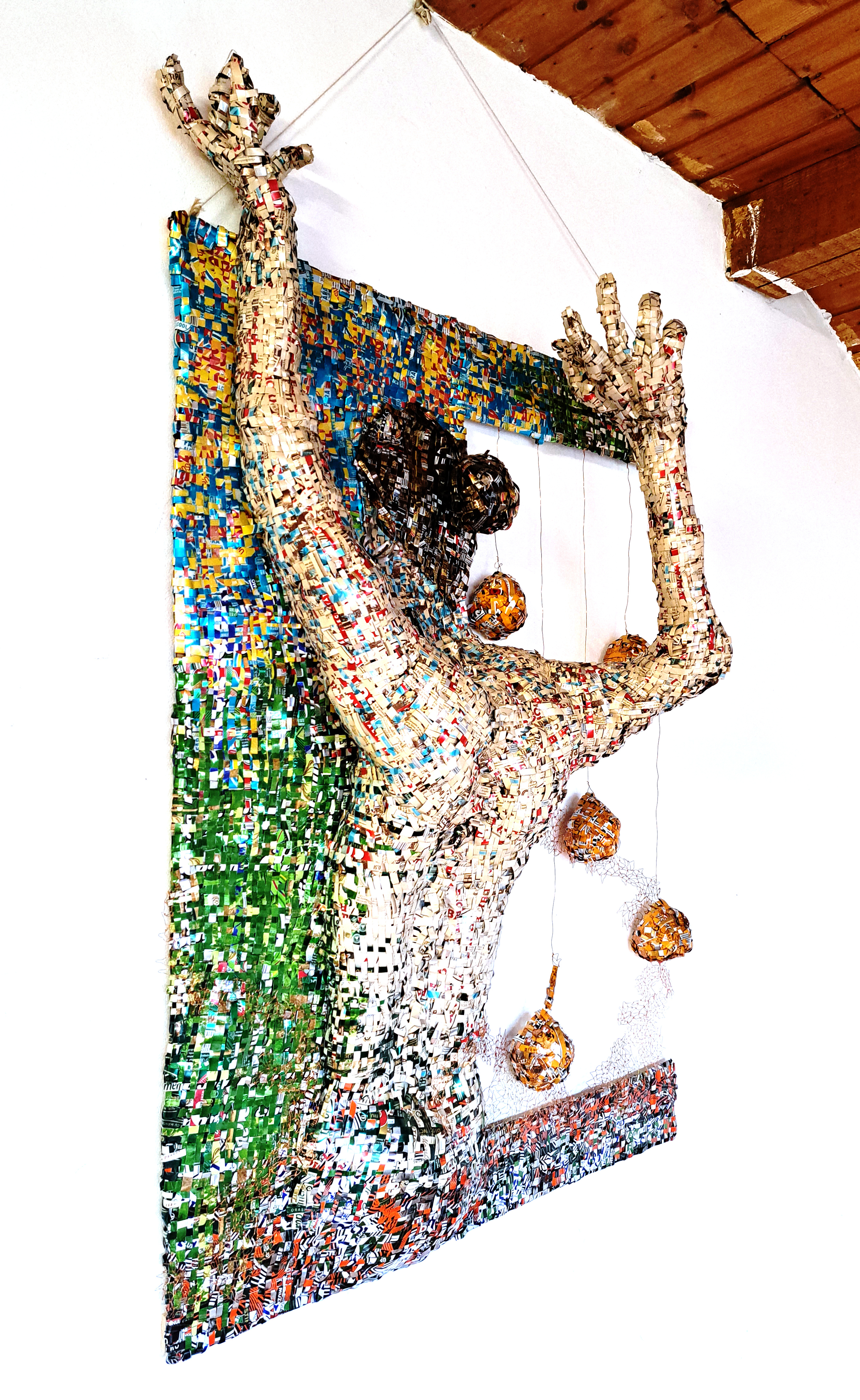
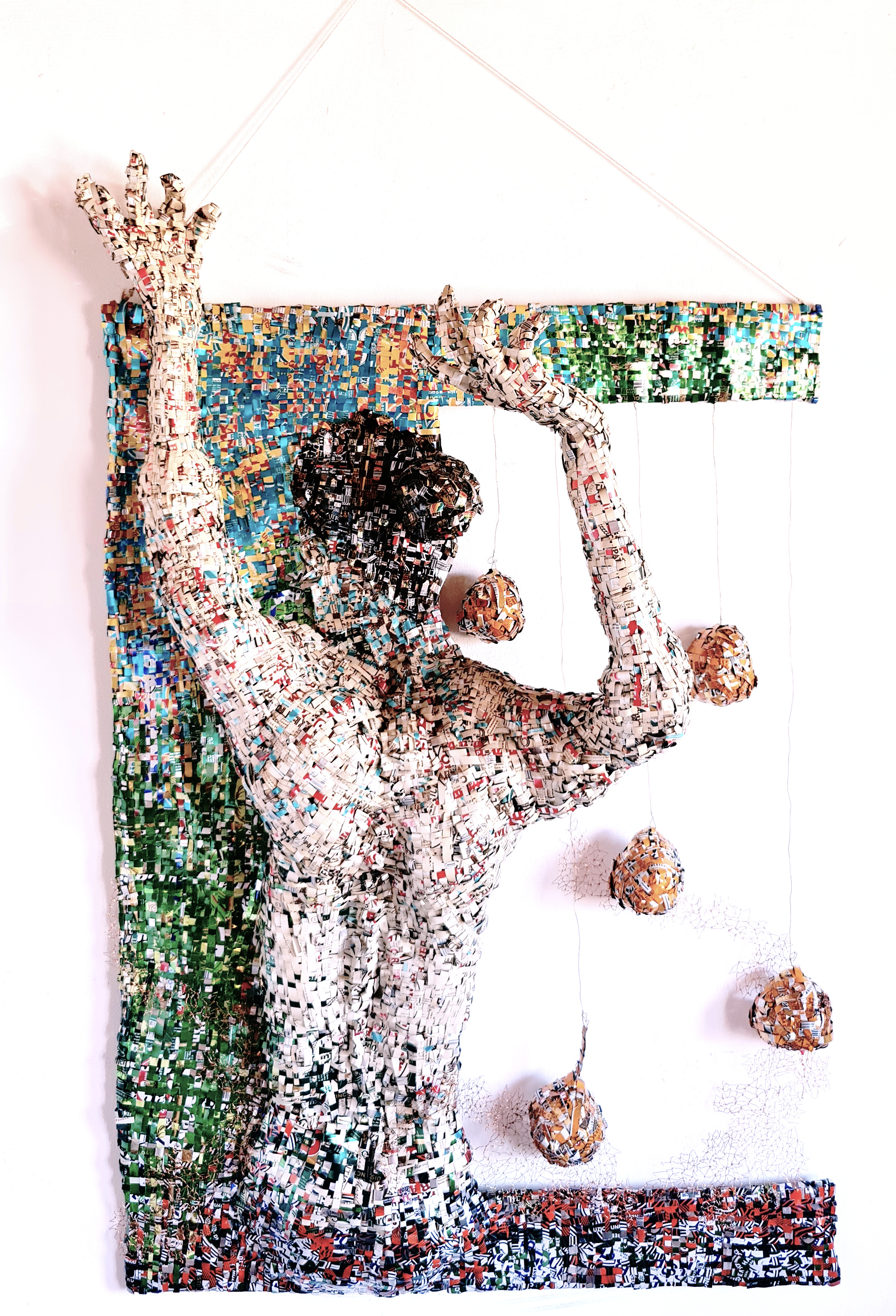
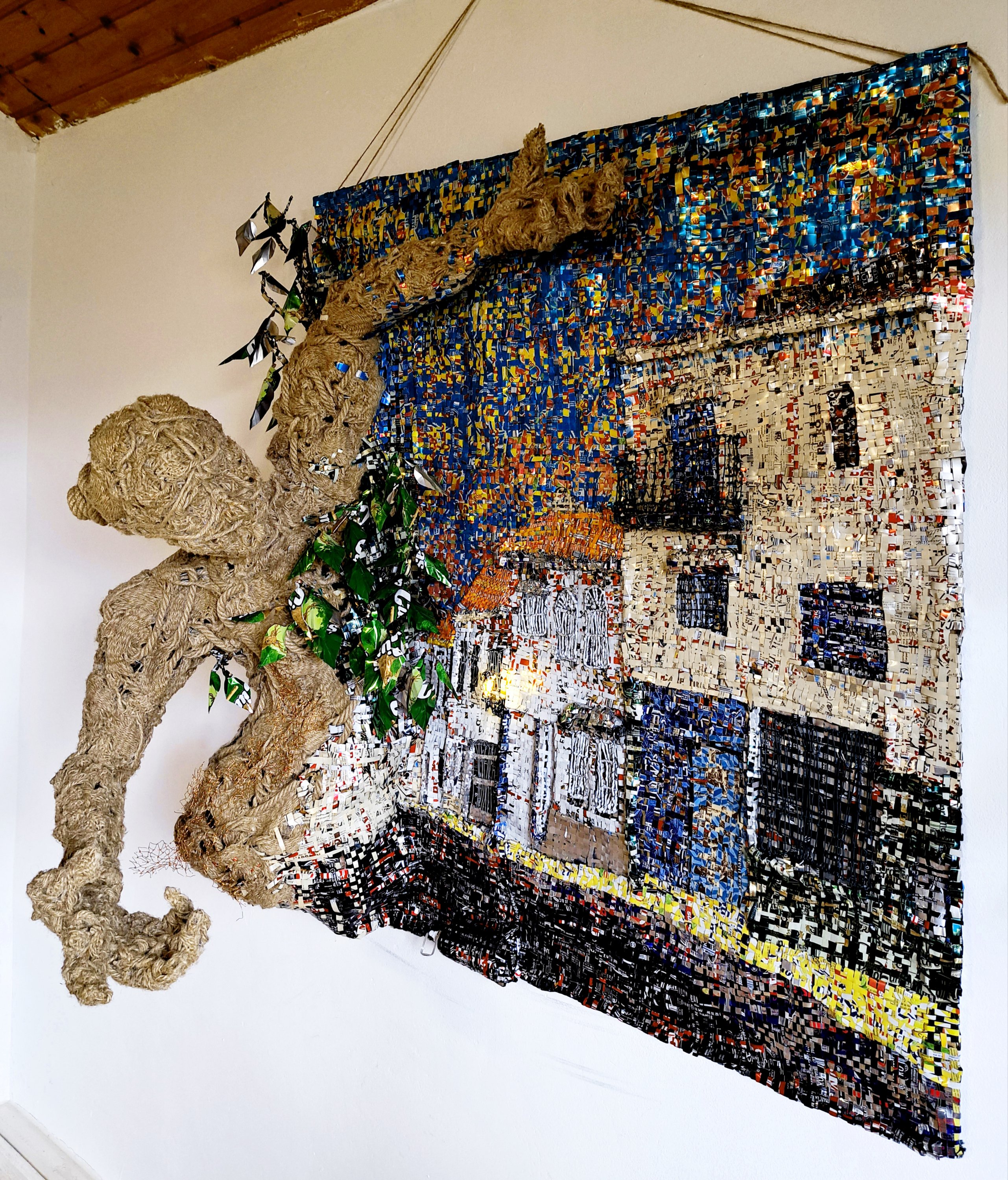
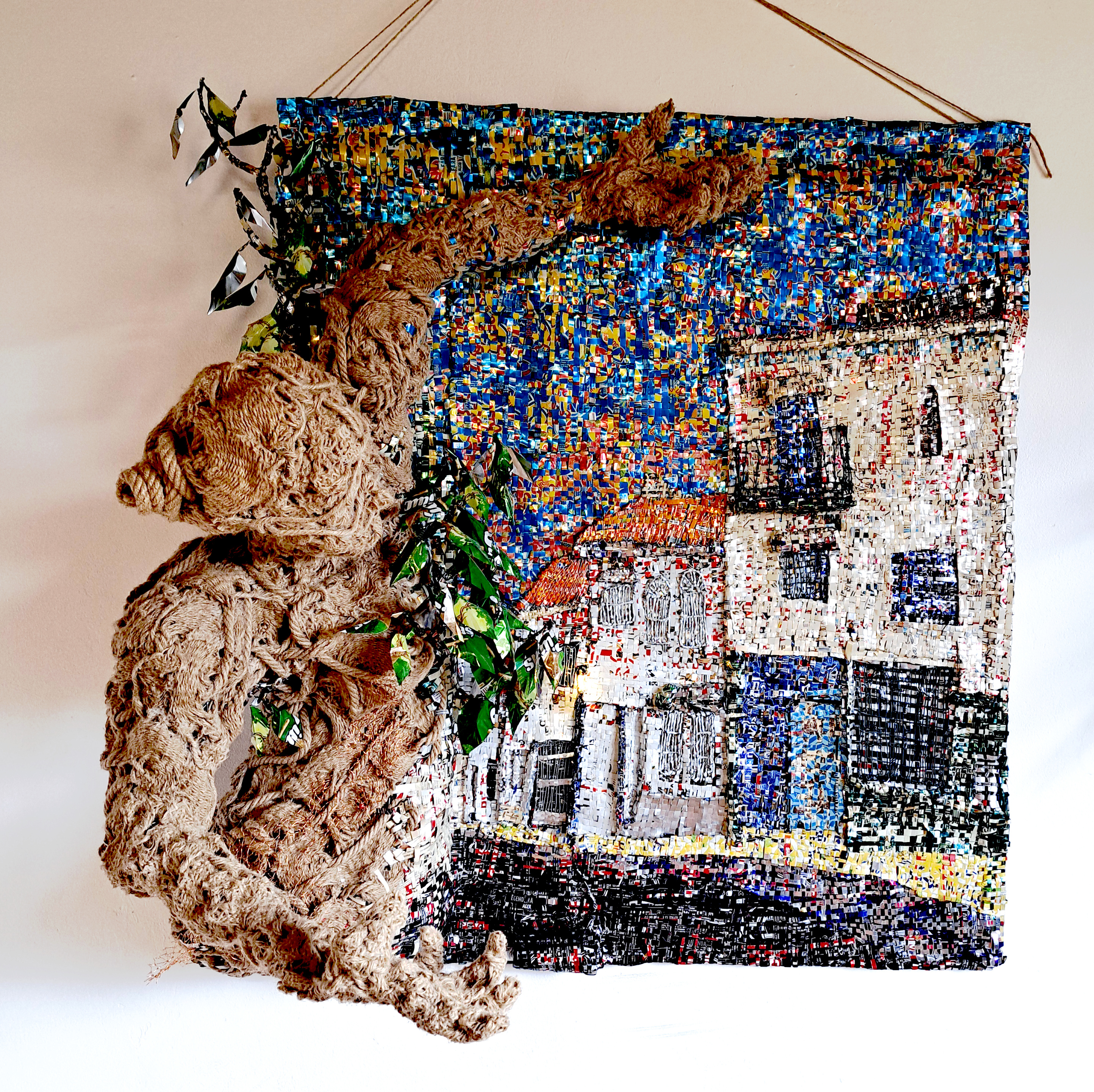
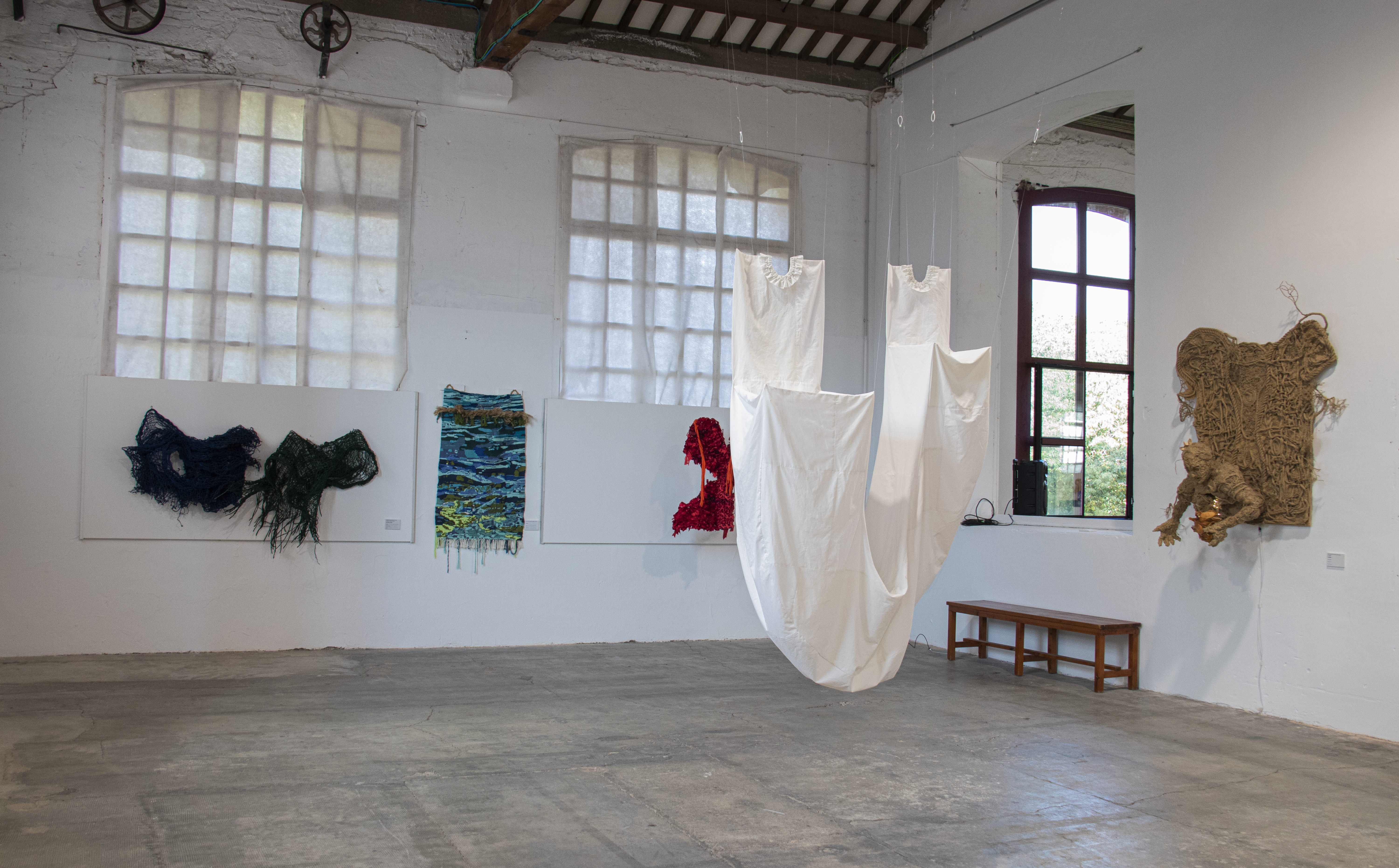
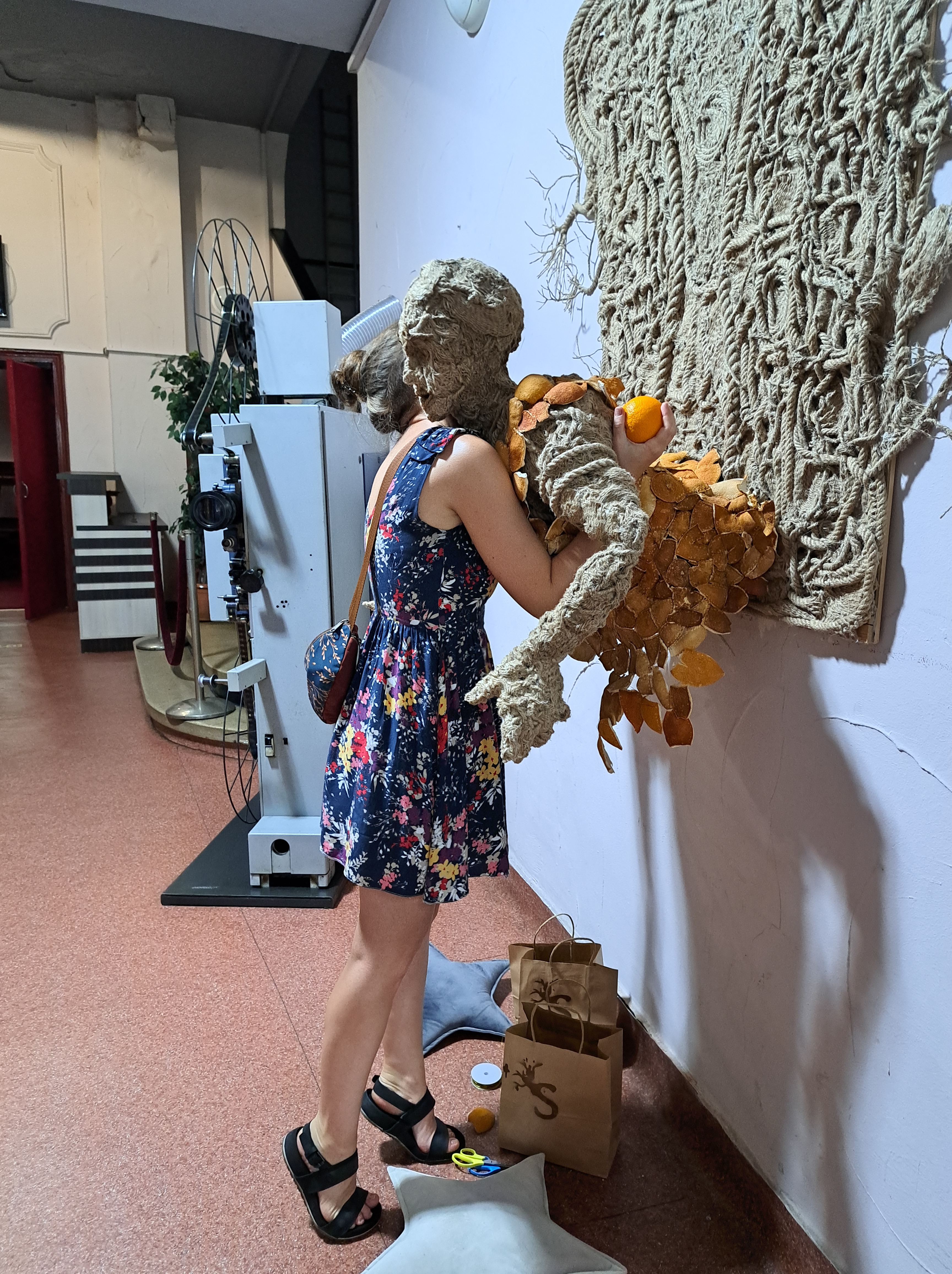
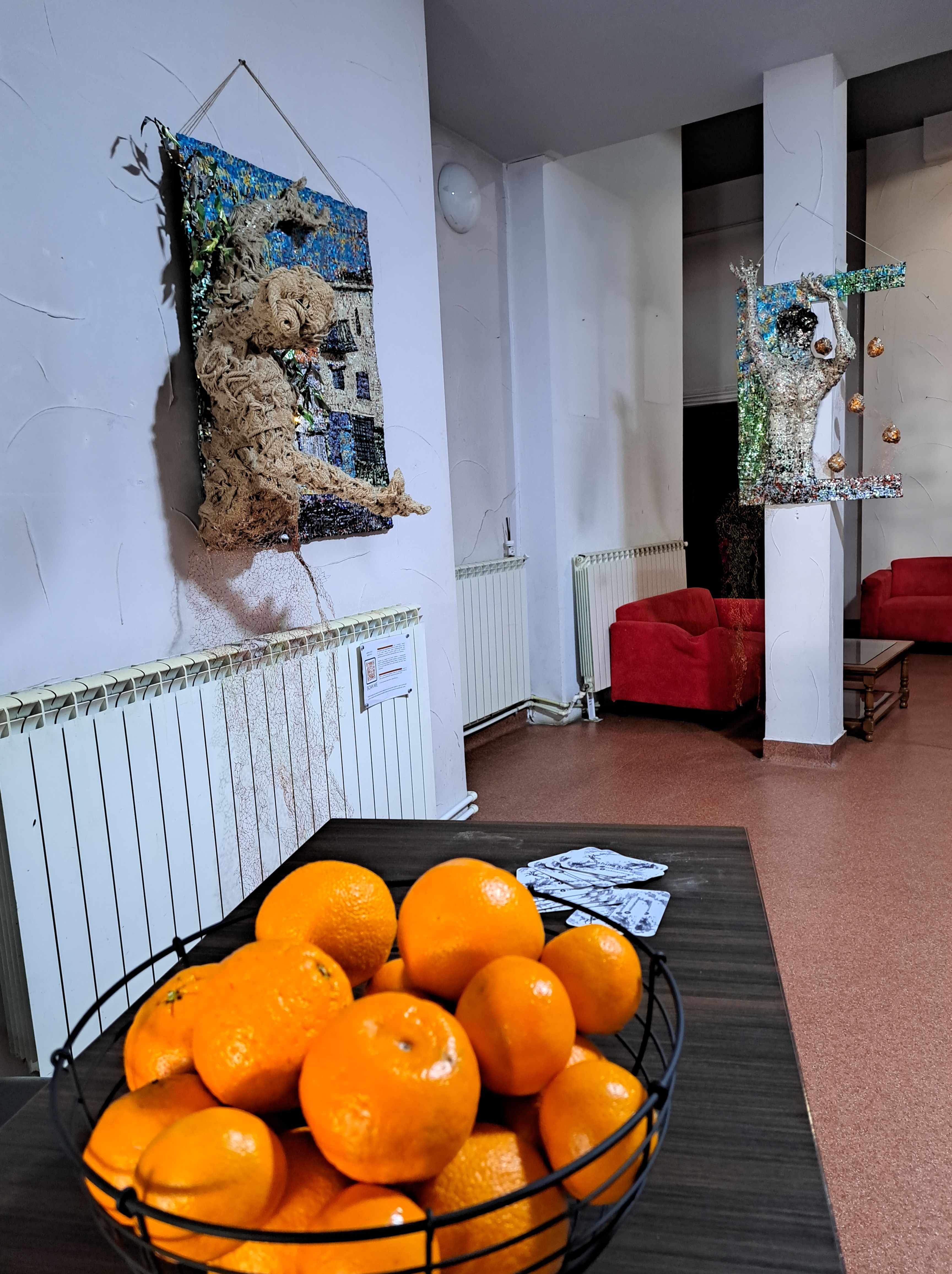
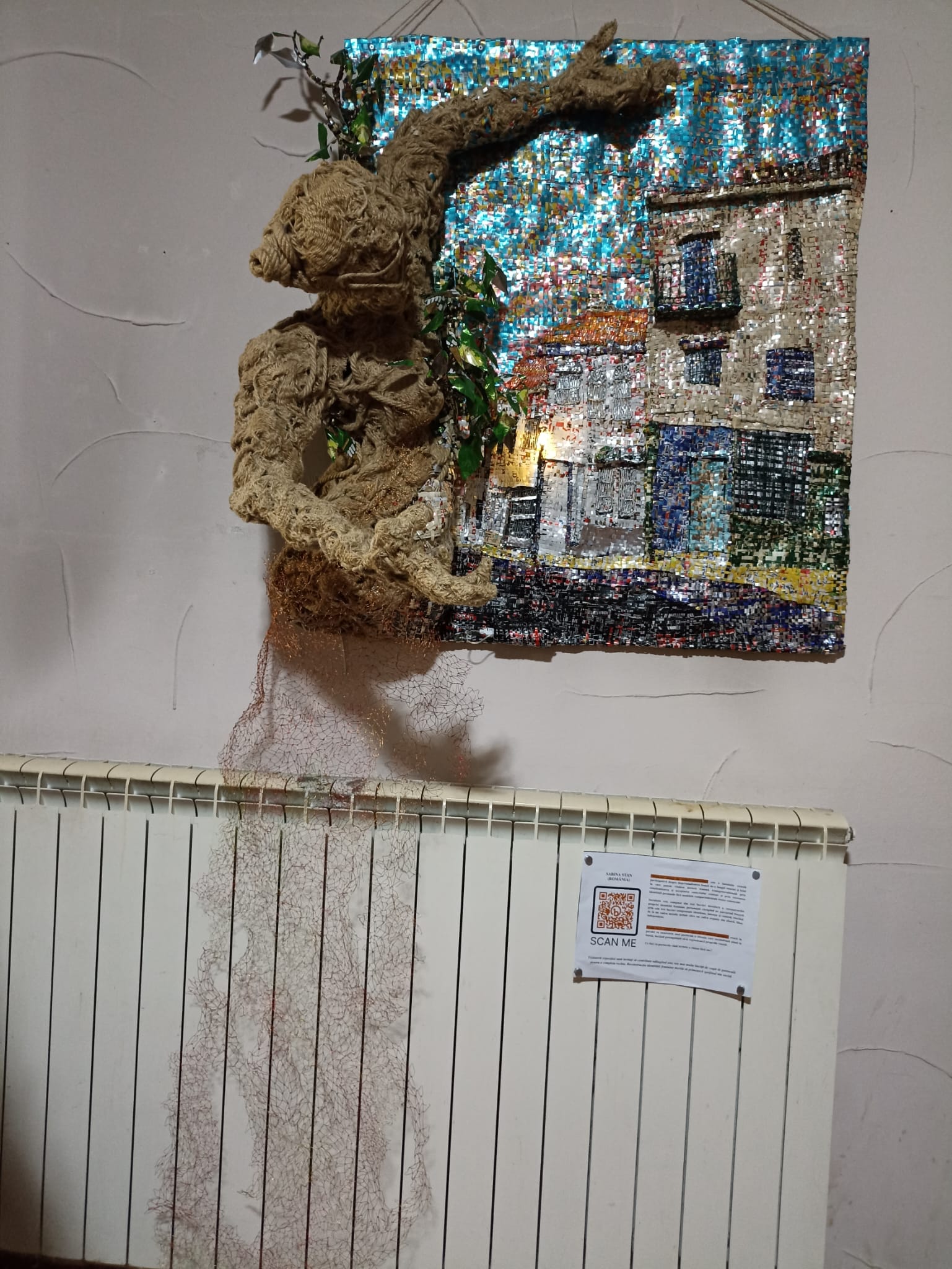
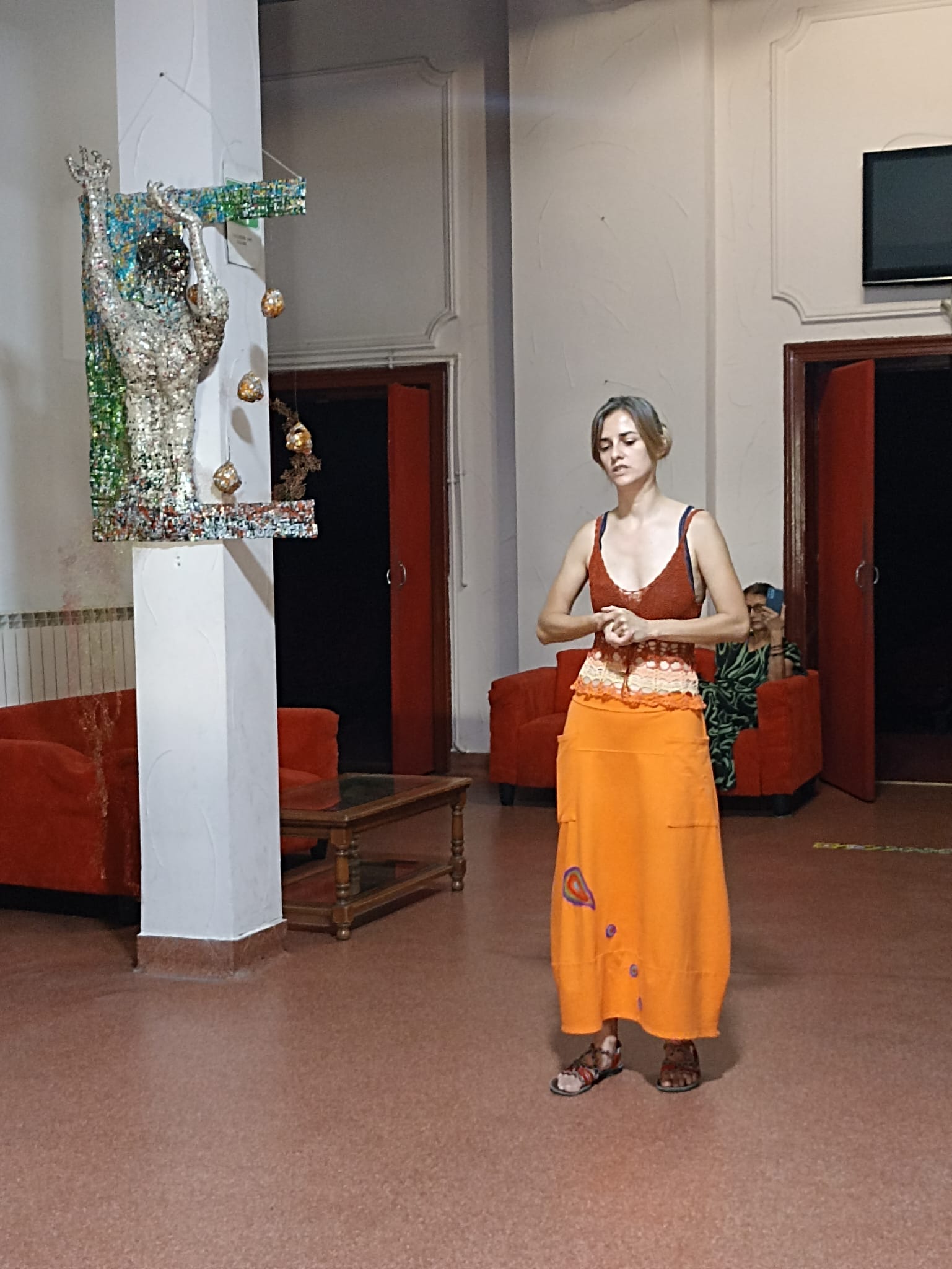
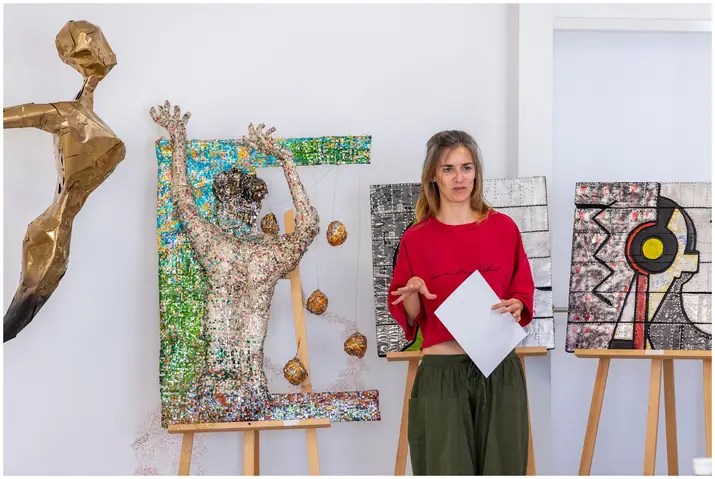
The installation has three works that represent a woman without identity who appears to carry a burden on her shoulders, in the first work, only to gradually turn around, gaining identity, intention and control, in the next two works.
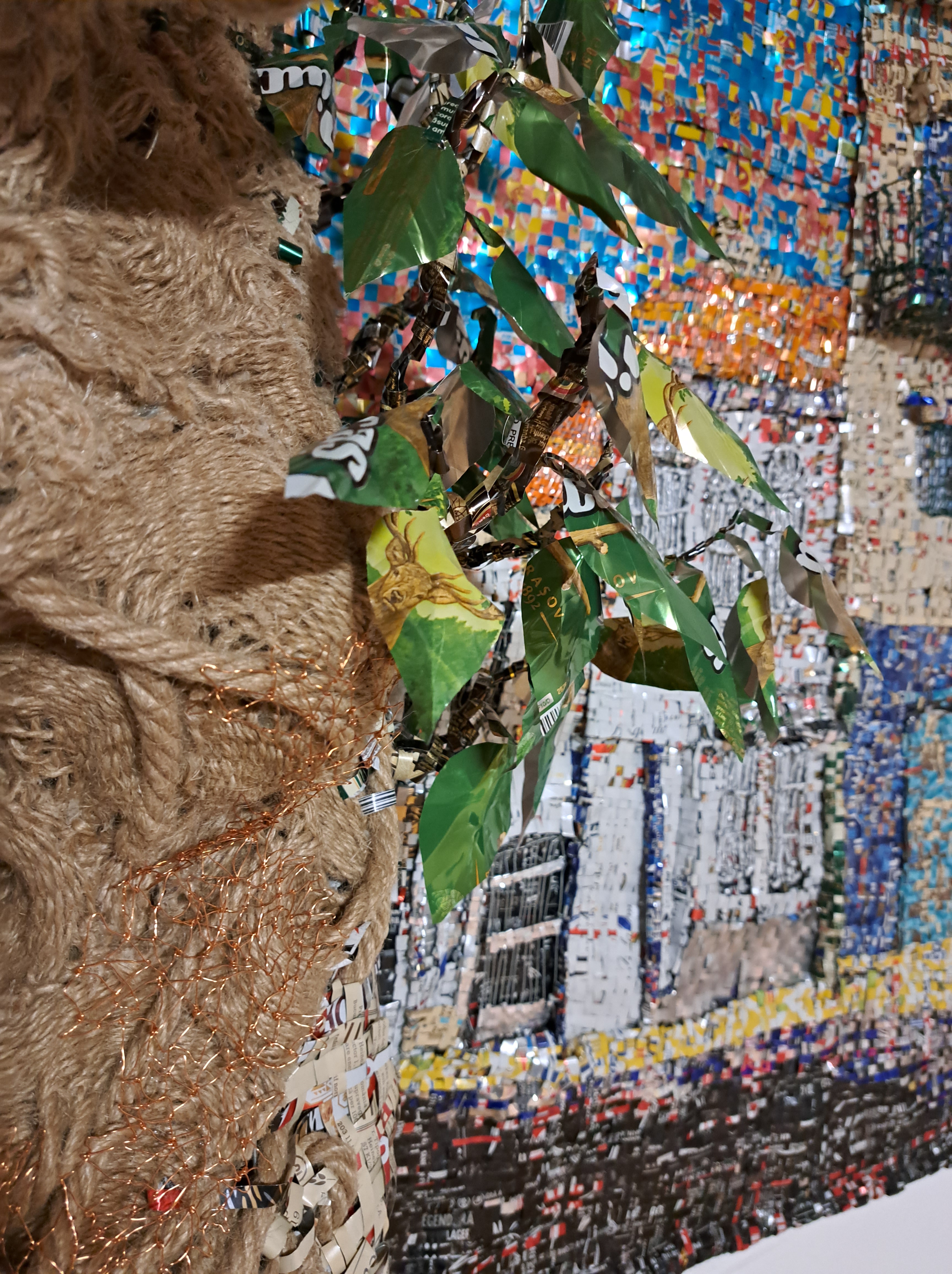
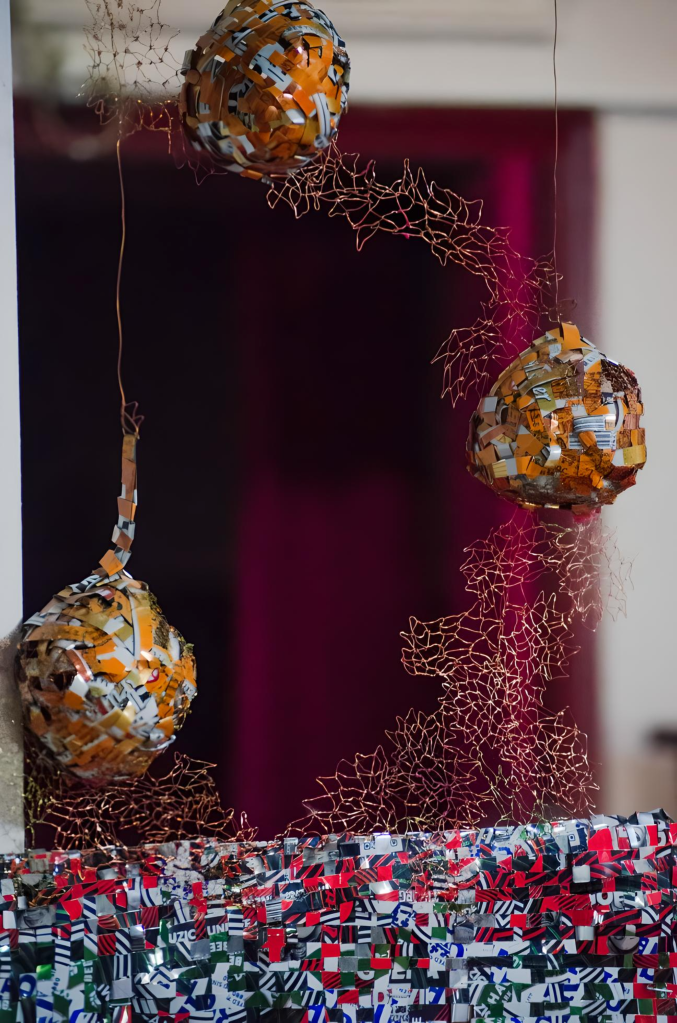
The first work is made entirely of aluminum, an inorganic material, representing the woman as an object that has a well-defined and stable role in society. Now, this work, titled “Orange lights” is in a private collection.
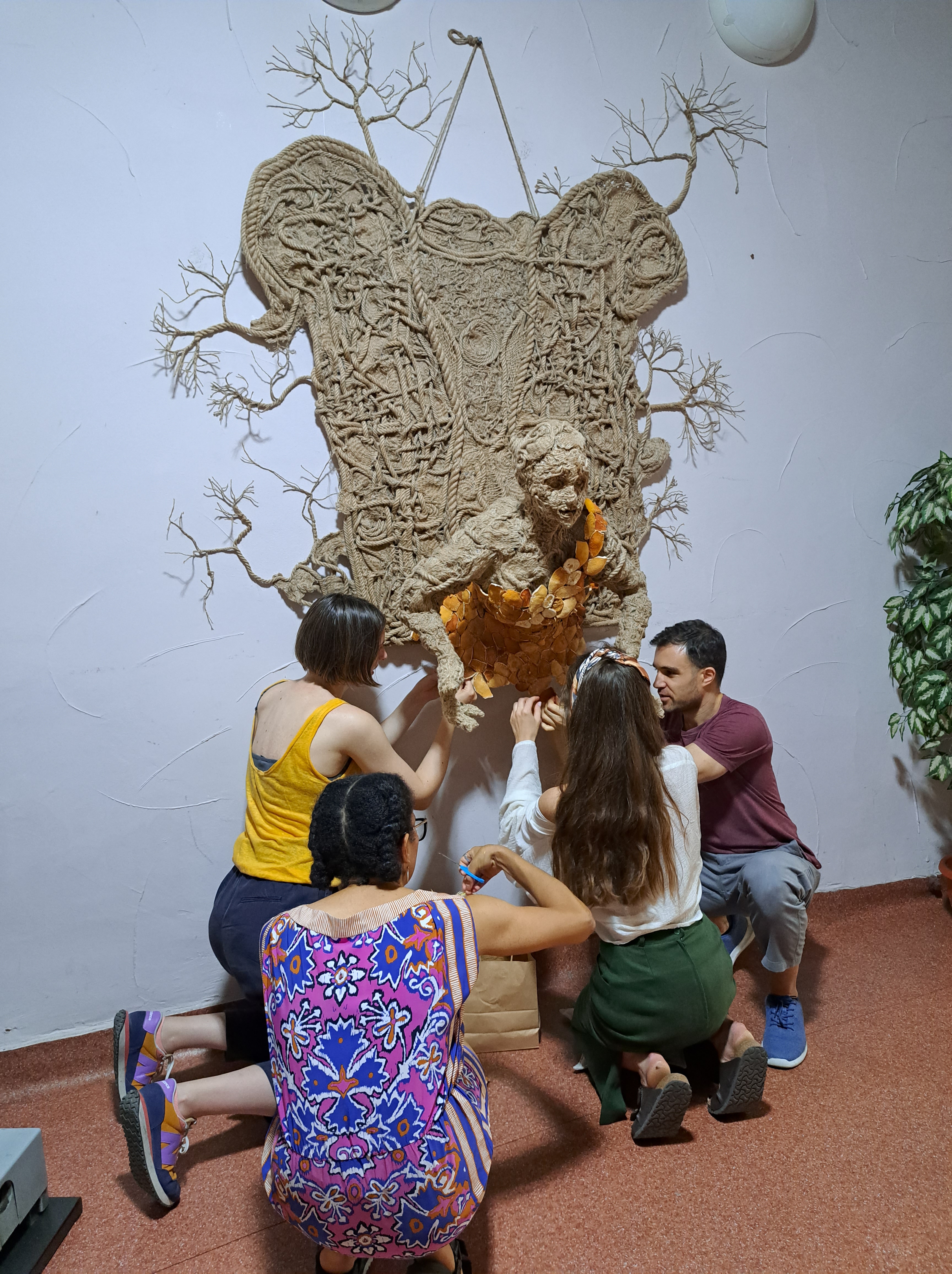
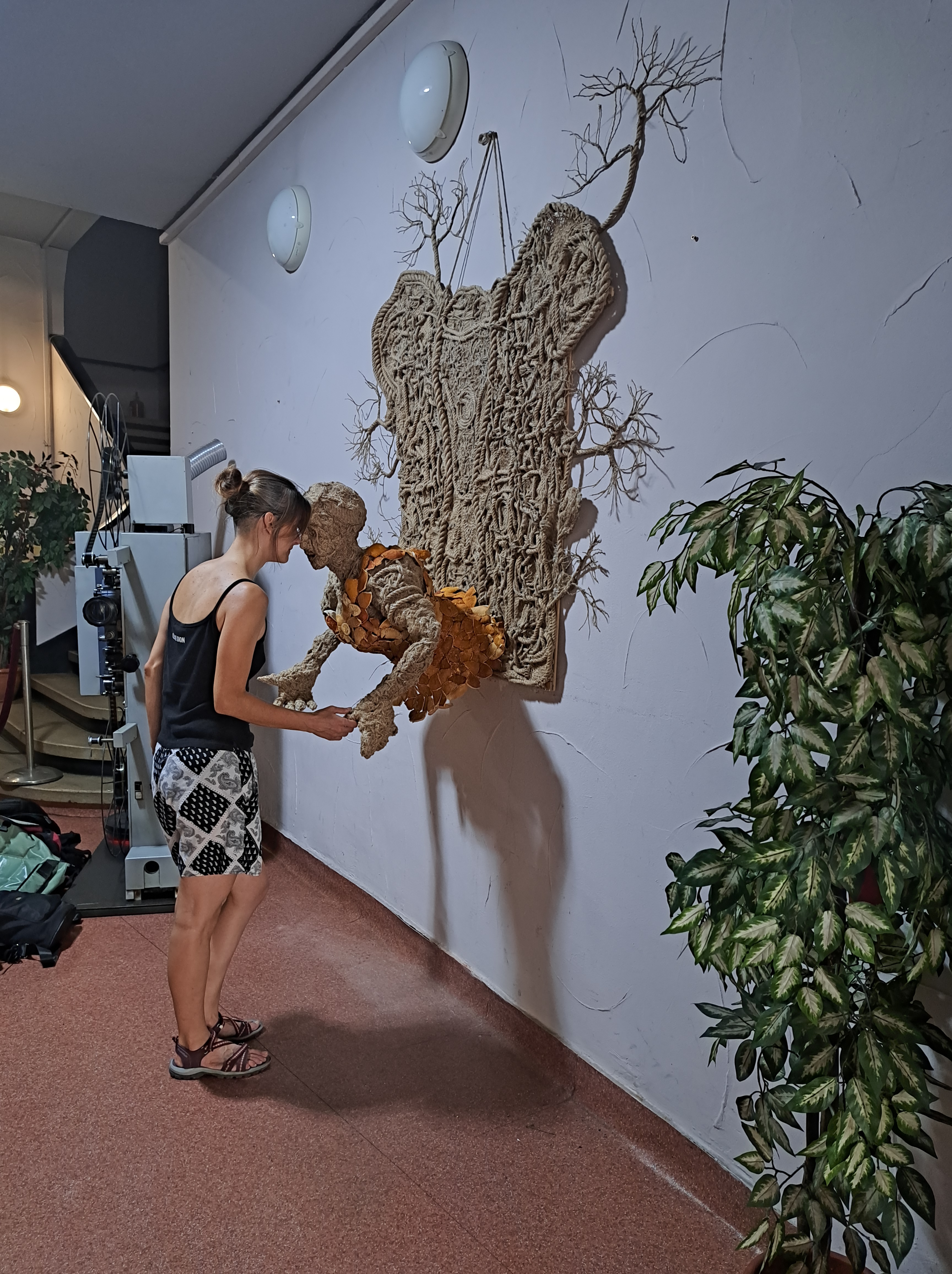
In the second work she comes out of the society still represented with aluminum, and discovers her essence rendered through rope, an organic material. The title of the work is “A case of containment” and has been exhibited alone in the exhibitions “Queerencia” in 2024 and “Full season” in 2025, both in Bucharest, Romania.
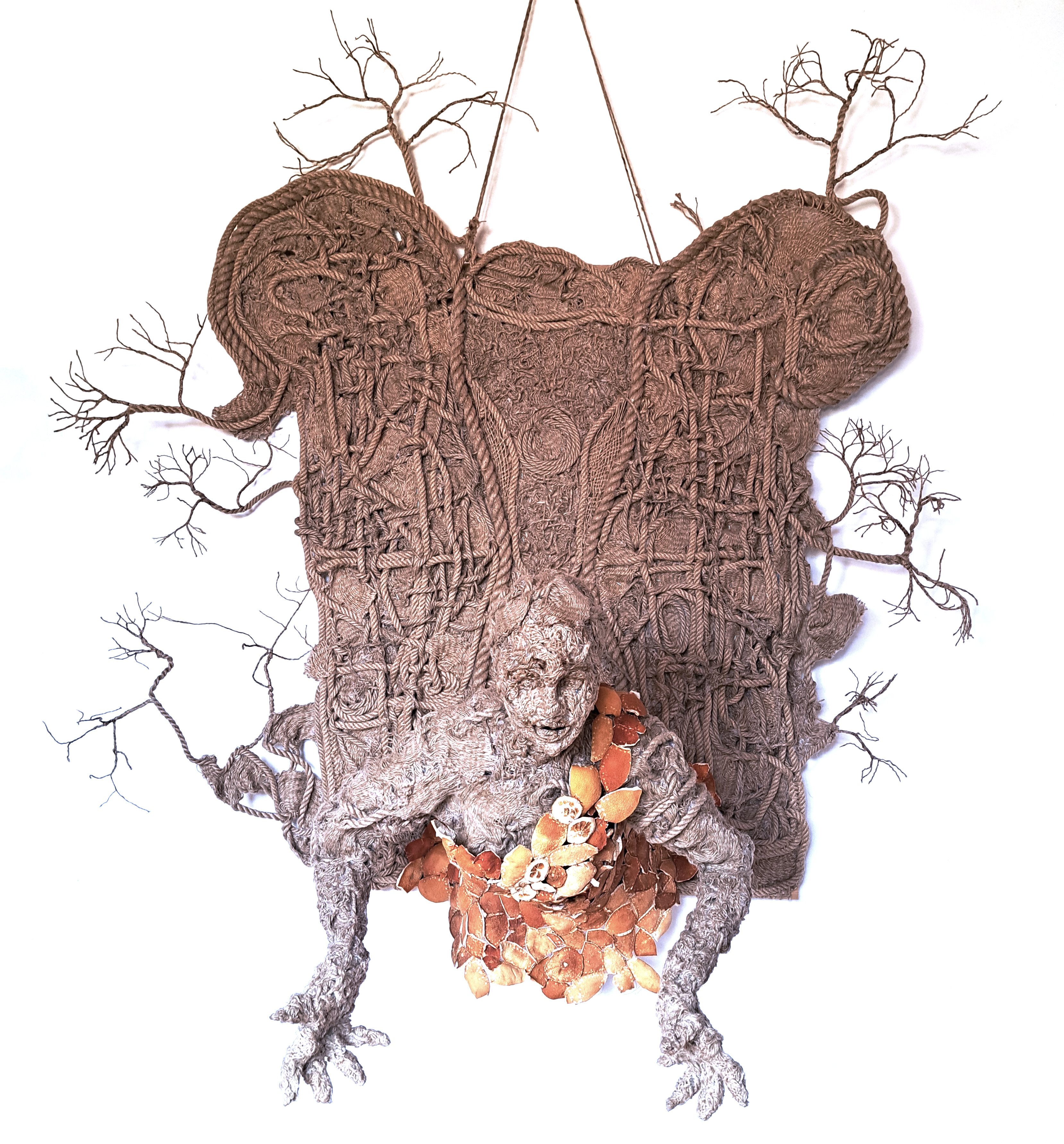
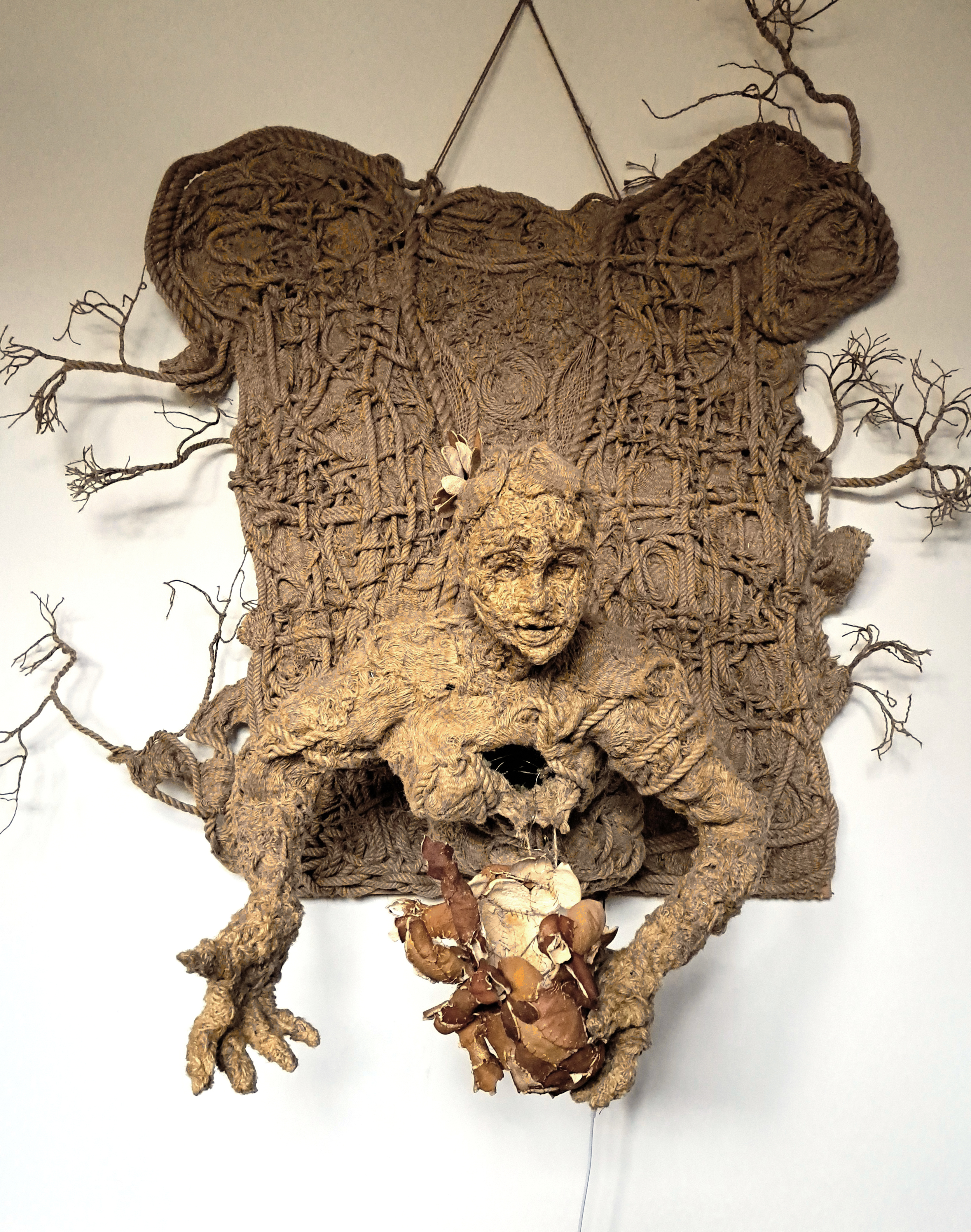
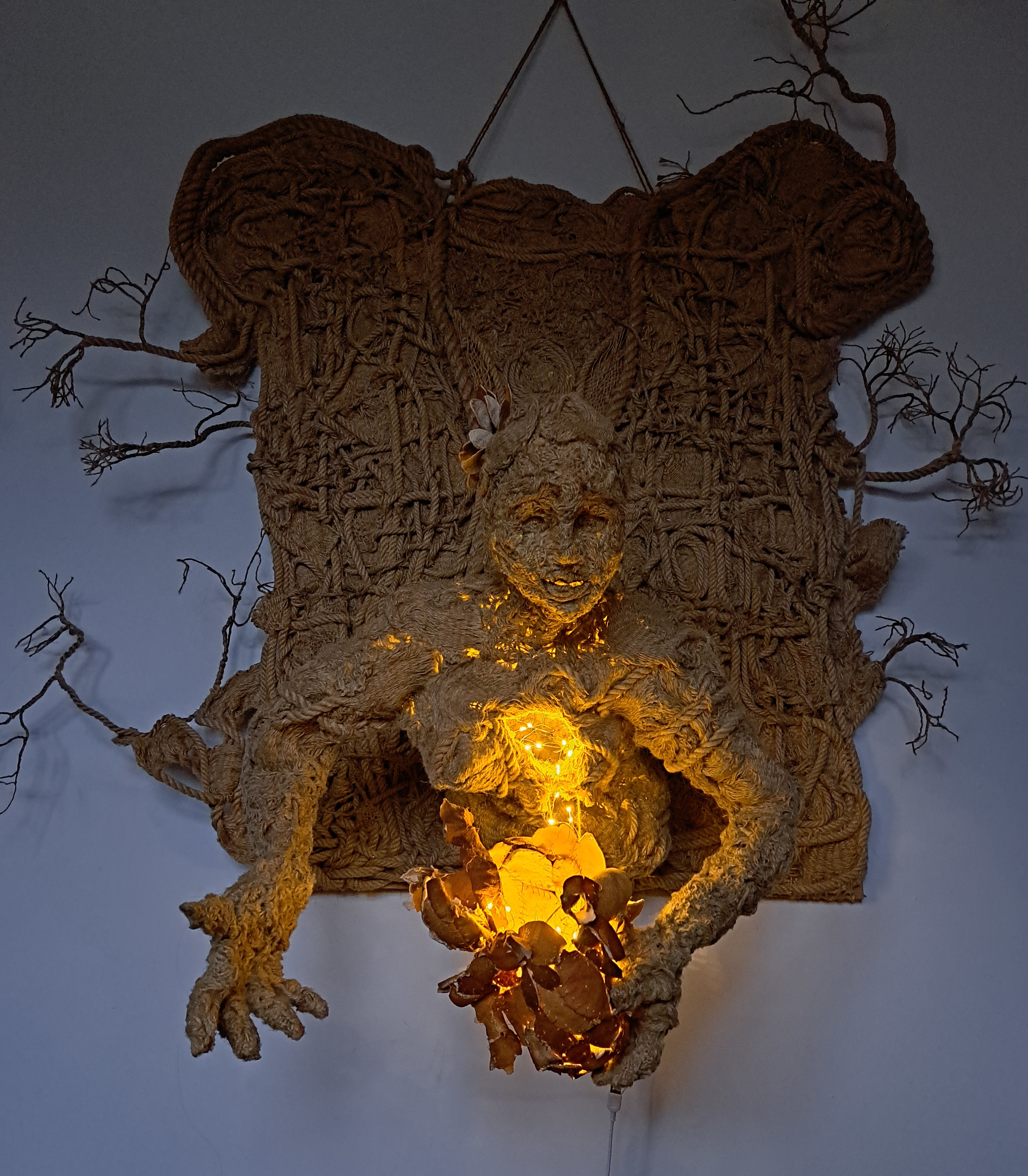
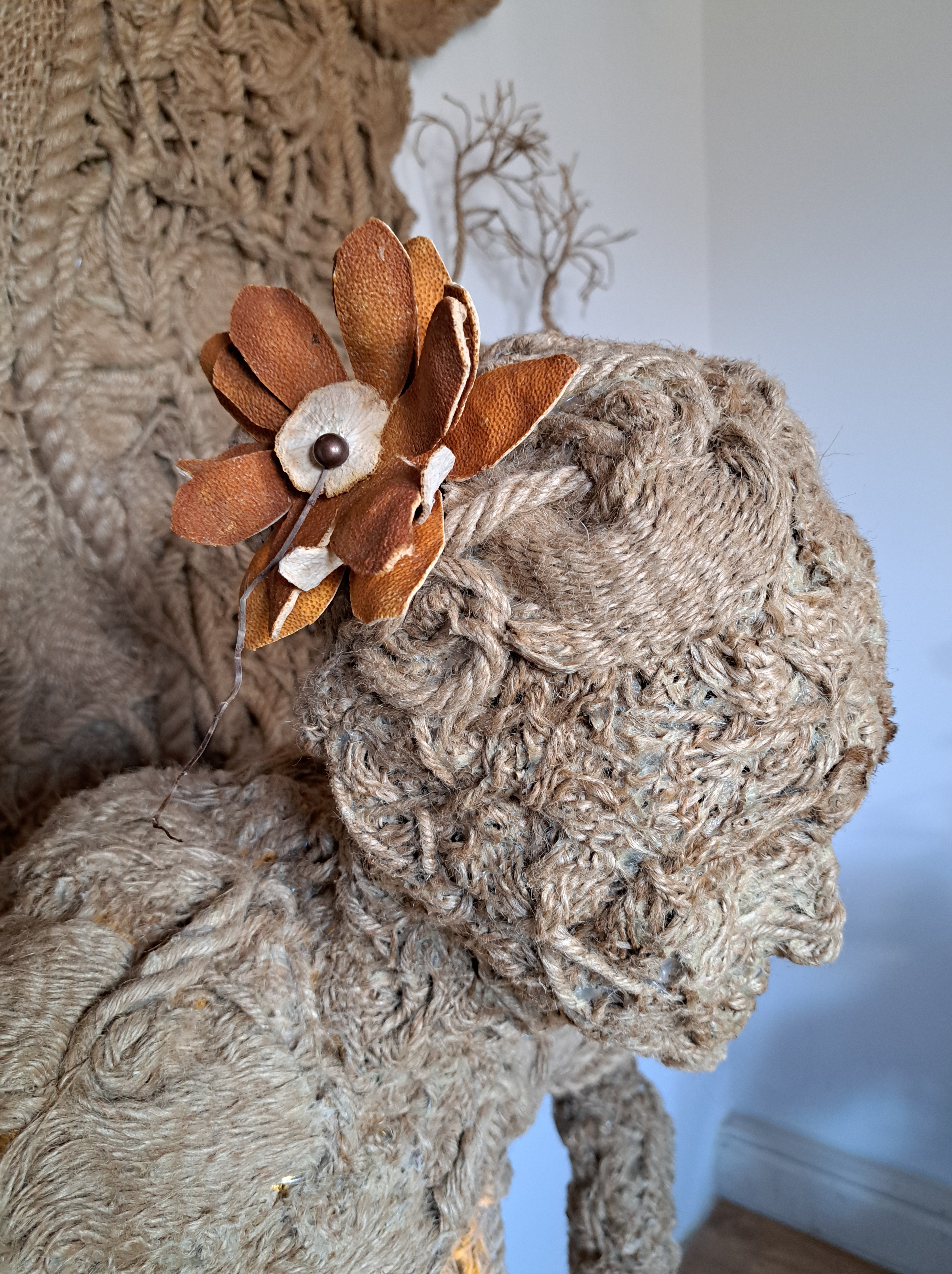
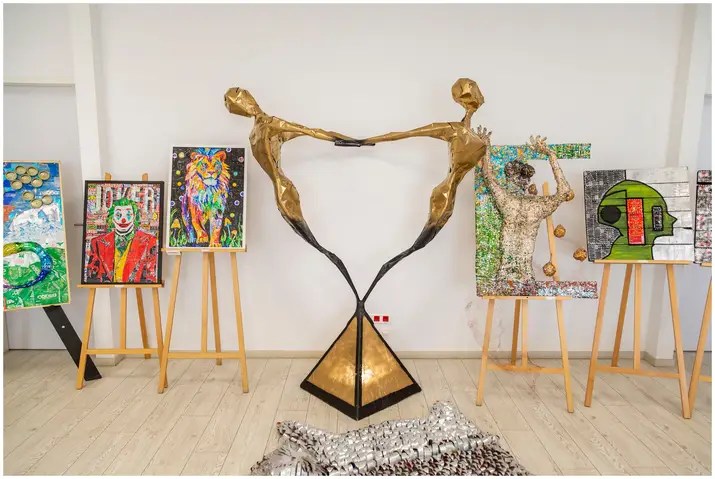
The third work is made entirely of organic materials and represents the woman fully turned towards the audience, with her arms open as if for a hug, and her head raised. She wears a dress made from pieces of orange peel as a metaphor for the reconstruction of her identity, to which visitors will be invited to contribute by adding one or more pieces to complete the dress.

Therefore, between the three works, a space and a time to reflection on one’s own identity is created for each visitor.
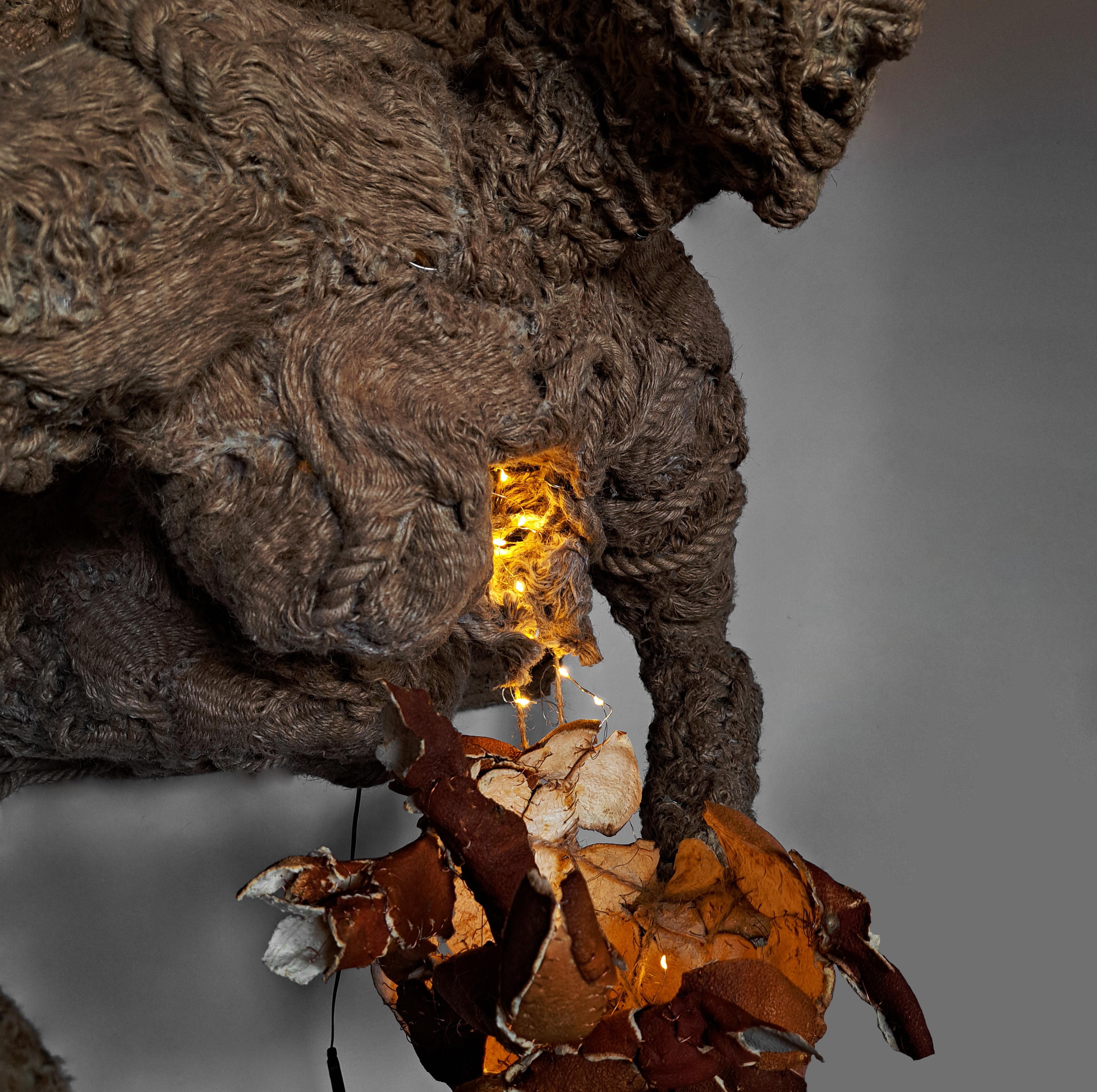
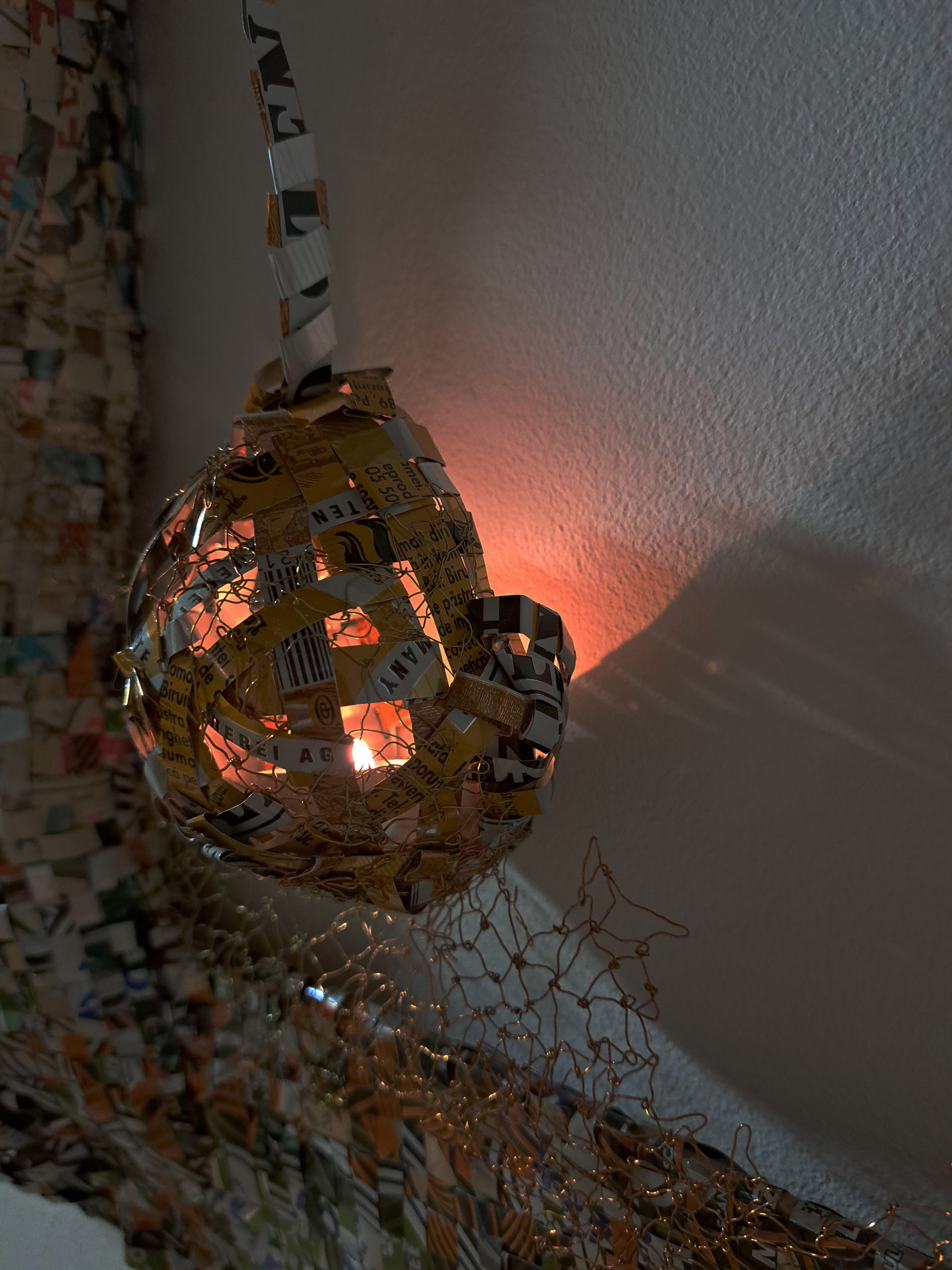
In 2024, the orange dress turned into a broken heart which shines, to reflect that
one can be a fulfilled and shining person and still bleed at the state of the world we
leave in. This version was exhibited in Igualada, Spain, in 2025.

The title of the project may refer to the orange as a fruit, which is a motif found in all the works, or to the seriousness of the project’s message that requires immediate action.
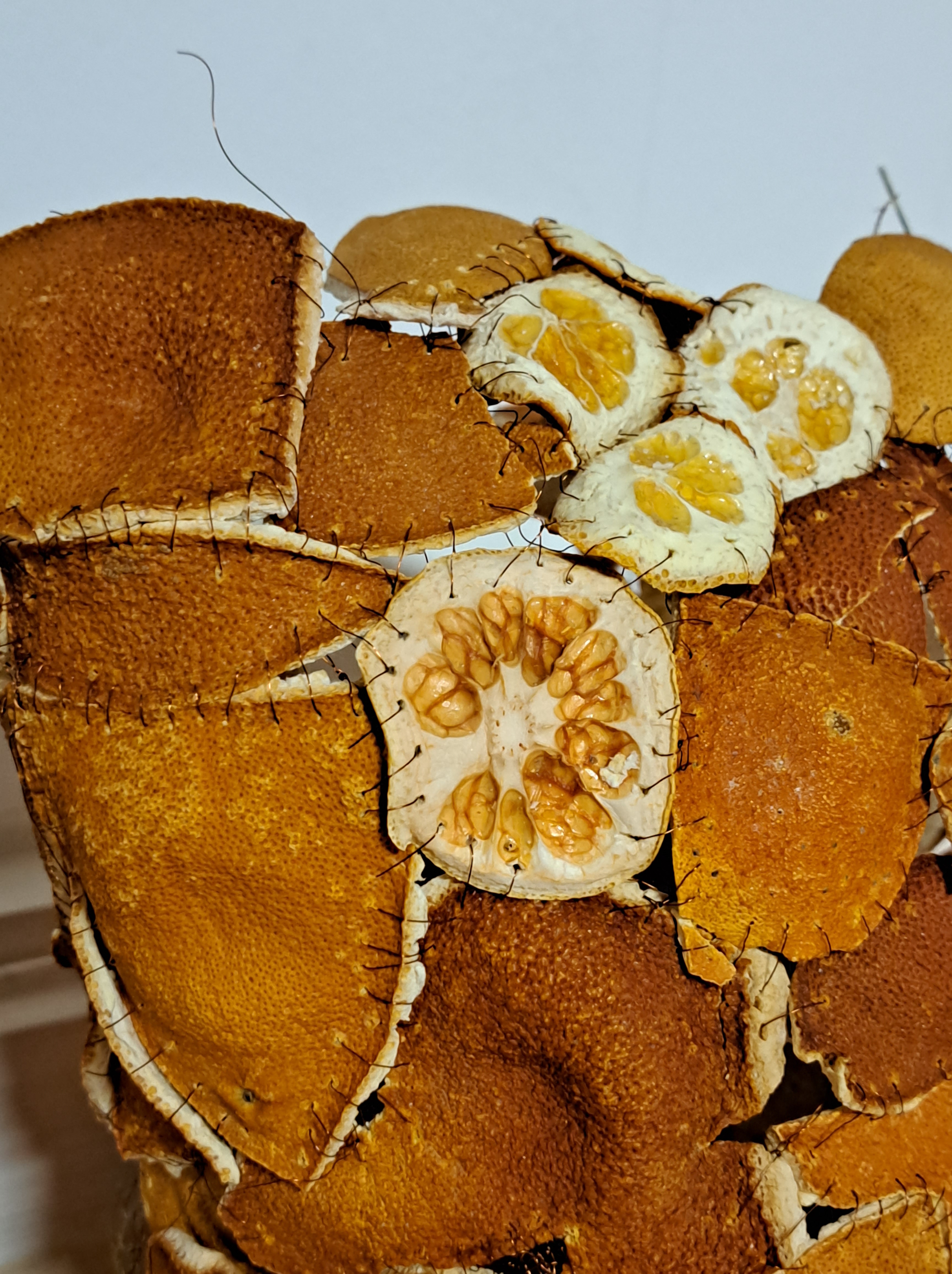
The recurrence of the orange appeared organically in the project, being an element that returned several times throughout the documentation. The sliced orange is used in marketing and media as a metaphor for women, often with a finger inserted through the center. Associating the woman, and in particular the female genital organs, with a fruit or object from which you do not need consent to manipulate it as you wish is worrying in the context where 21% of women in the European Union frequently fear physical aggression or sexual, according to a survey carried out by the European Union Agency For Fundamental Rights, and 30% of women in Romania have suffered such aggression, according to the Green European Journal. So I took this objectifying element and used it in this participatory visual art installation as a power element, presenting the whole fruit in the first two works, and in the third work, the orange peel dress is a metaphor for the reconstruction of female identity. This rebuilding of identity without toxic patterns and stereotypes is an individual endeavor, but one that society can and should also help with.
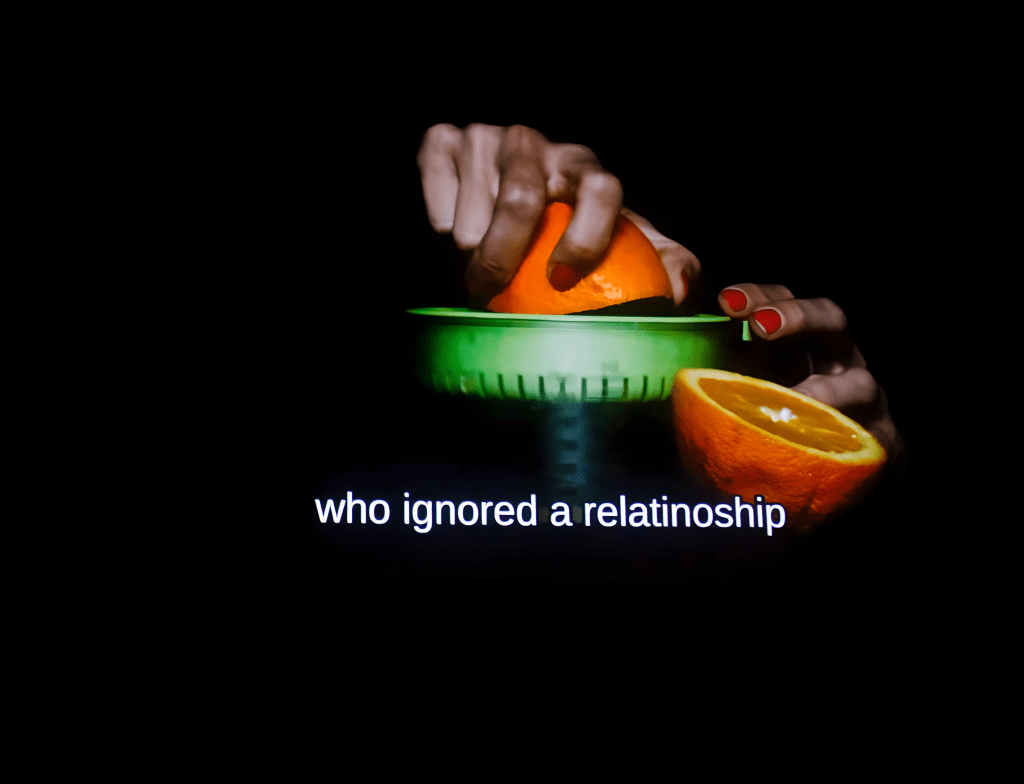
The video performance “How to be fed up with oranges without eating any” completes the visual art installation. The idea of this video performance started from an anecdote that is told in psychotherapy and emotional coaching circles as something motivational, namely that if you squeeze an orange it will produce orange juice because that’s what it has inside, and as a parallel, if someone “squeezes” us, anger or love will come out of us depending on what we gathered inside. The moral is that it is up to us to gather kindness within to be able to respond that way even in difficult situations. Taking into account the situation of women in Romania and not only, where the care of the family, of children and parents, and of the house is still the duty of women and is unpaid work, in addition to the pressure of having a career, in which women have to work much harder to get the same wages and appreciation as a man, it can be difficult for women to accumulate love for someone to “squeeze” it out of them.
The performance evokes, in parallel with the squeezing of an orange, a situation that escalates to the limit, forcing the protagonists to rethink their own reactions.
What do you do with the orange when it ran out of juice?
The story in the background was initially written about a fictional character created on the bases of certain experiences I had, or was witness at, to show an image of the ideal woman, and what the burden to be that person could lead to.
However, I felt it would be more appropriate if I told a real story, about me. I felt like I had nothing that would fit the concept, until I got diagnosed with lupus, and realized that the story of this project is the right story to tell.
How to be fed up with oranges without eating any – fast forward tale
Initially I only wanted to make a work for Can Art&Design Festival, and since I found an old never-made project I still felt a connection to, I adapted it. It was a nude woman sinking into an orange core.
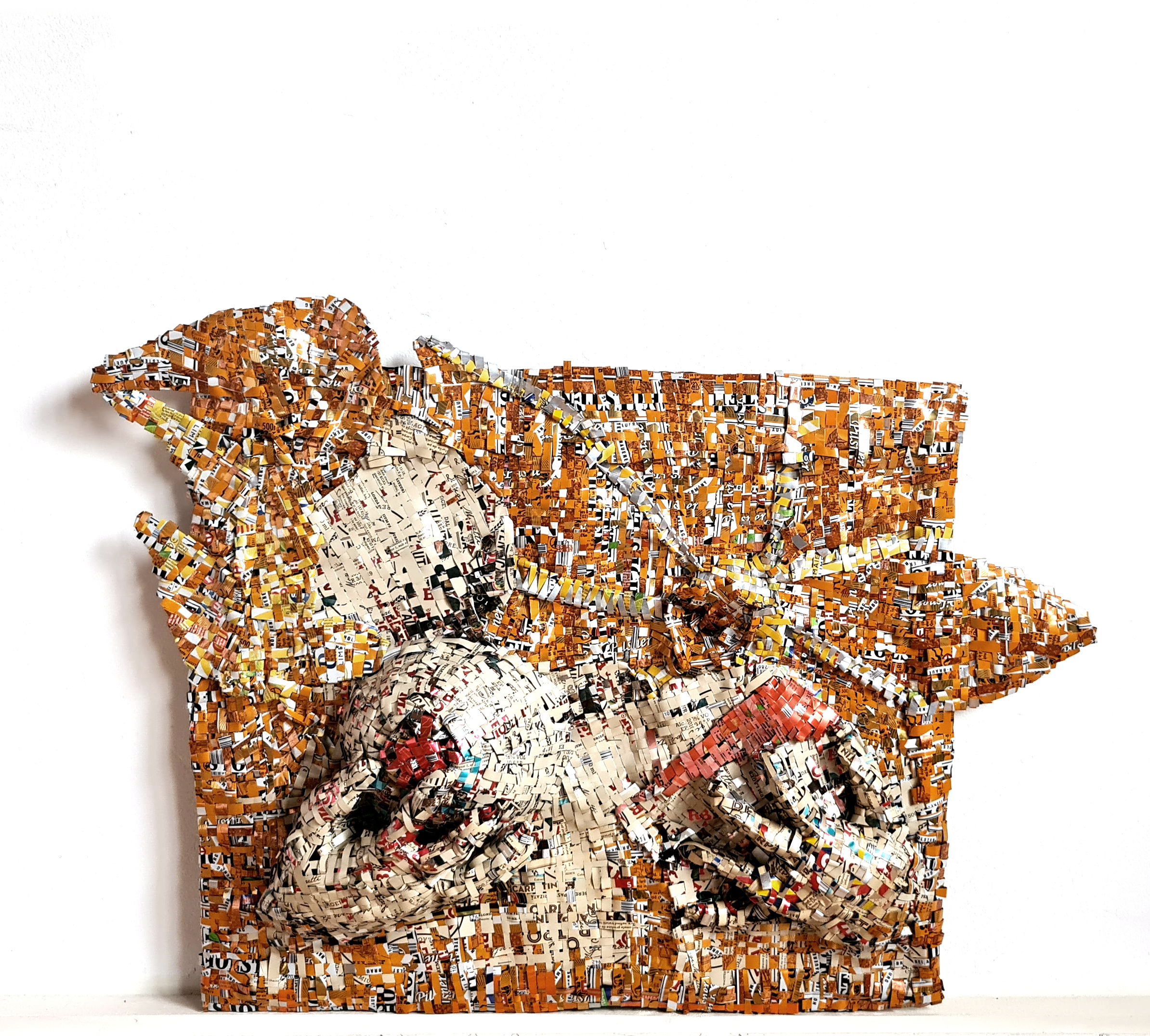
As I was exposed to feminist views at the time I started working on this, though I used to make a point to stay away from such ideas, I started feeling the need to express more than just an admiration for the female body, even though as a lesbian to be able to express my liking of other women through art should have been good enough. I changed the nude so that one of the breasts is surgically removed as a reaction to the censorship I felt.
Among the sketches from that old project, were some nudes without head, though the body was in a position of power. This led me to create the first work of the installation, but it was supposed to be only this work. For it, though, I needed inspiration for the position of the arms and ended up researching flamenco which led me to confront something I was avoiding all my life: my internalized misogyny and racism. This resulted in creating the other two works.
When the installation was done, I still had the anecdote with the orange juice in my head and wanted to create a video-performance to offer a different perspective on what I felt was blaming the victim. I thought of this idea with two or three performers, but I figured I didn’t have the people to do it, so I settled initially for telling a story while squeezing an orange. Turns out, I did, though. I am really grateful to them as I got depressed shortly after starting the process, and it would not have happened without their kindness and support:
- Octavian Savu – performer
- Tudor C. Popa – camera & edit
- Navi from Demisec Records – audio & edit for the second version of the performance
All this happened in two years …almost.
More on the thoughts that crossed my mind during this time check the blog.
The video performance was released on 26th of August at Cinema Europa, in Bucharest, during Ecosistem Festival.
It has three parts. Above is the first part. All start from the same sequence of movements where one performer controls the other, but evolves differently according to the choices made on the spot. The performances were filmed one shot with two camera views that were later combined with the scenes squeeshing an orange.
Exhibitons:
Cinema Europa, 23-27 August 2023
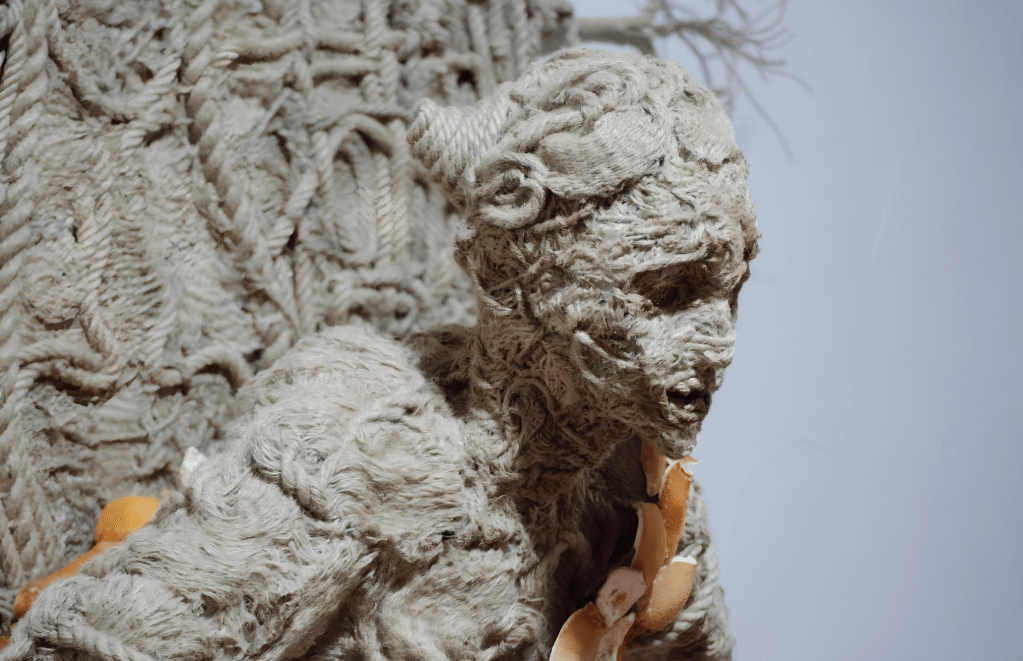
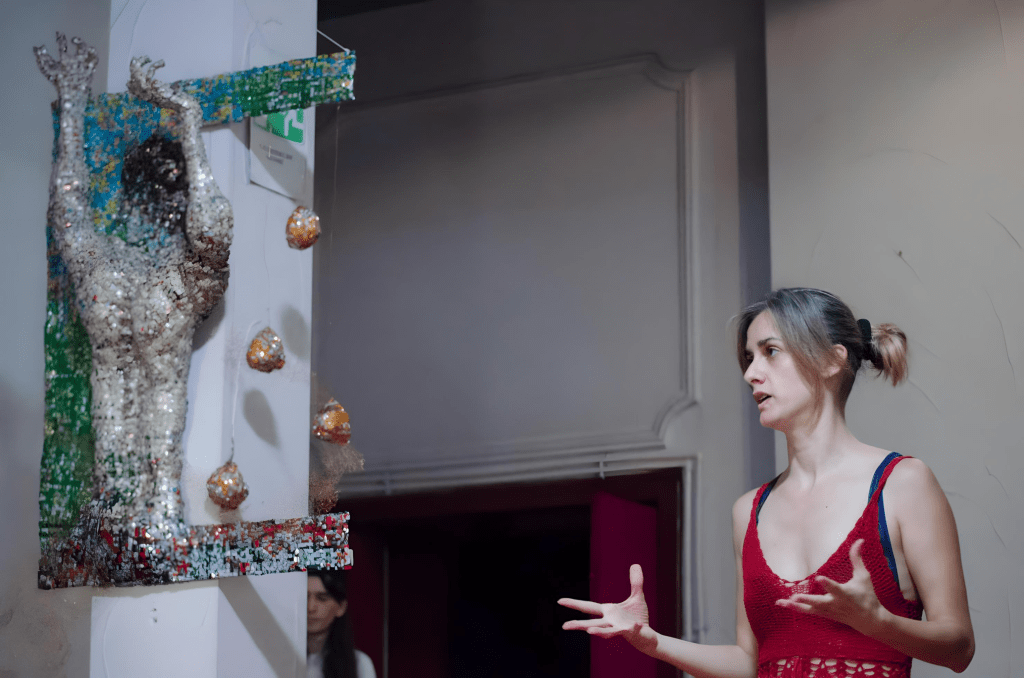
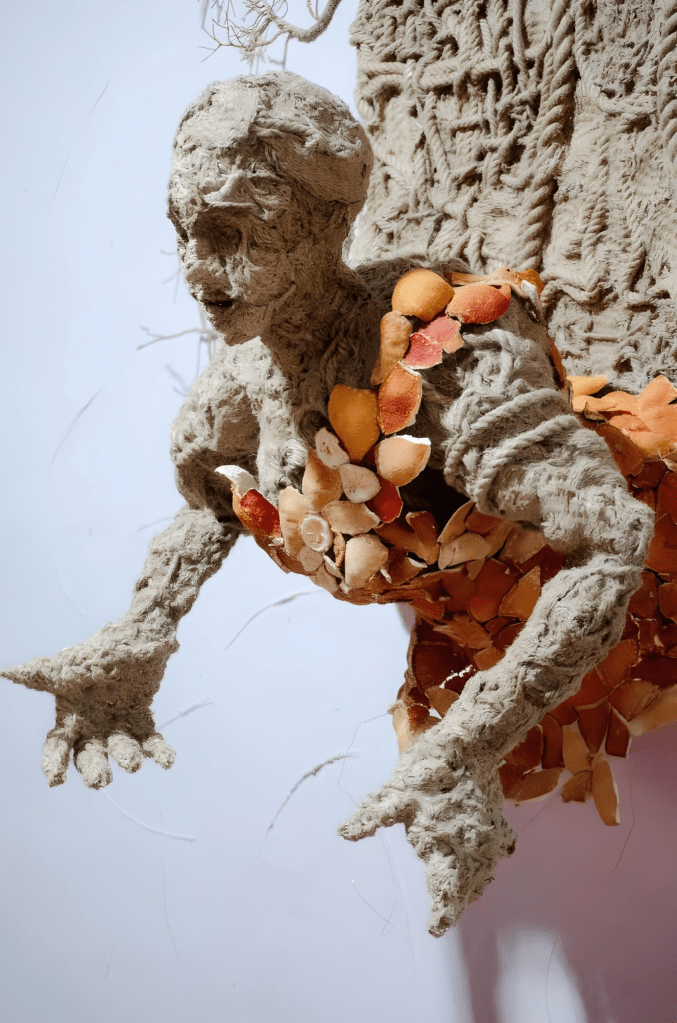
poze de Alexandru Bernovici
Can Art&Design Festival
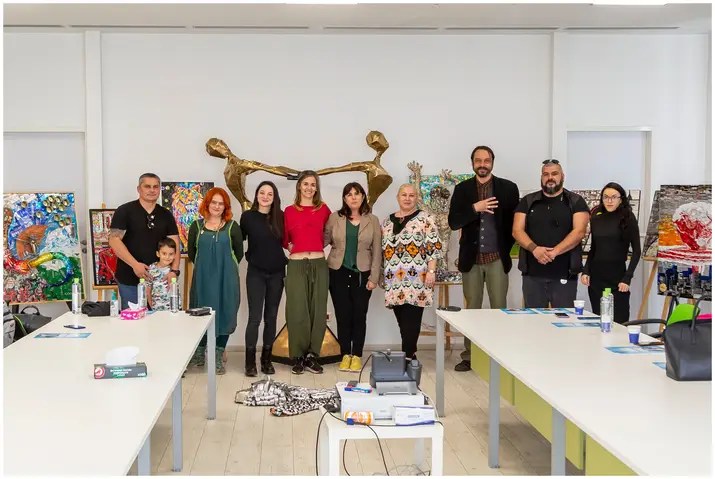


 The joy of creating